
Decoding Drivetrain Drips: Why Hydraulic Failures Demand Immediate Attention
>> Automotive Maintenance>> Decoding Drivetrain Drips: Why Hydraulic Failures Demand Immediate Attention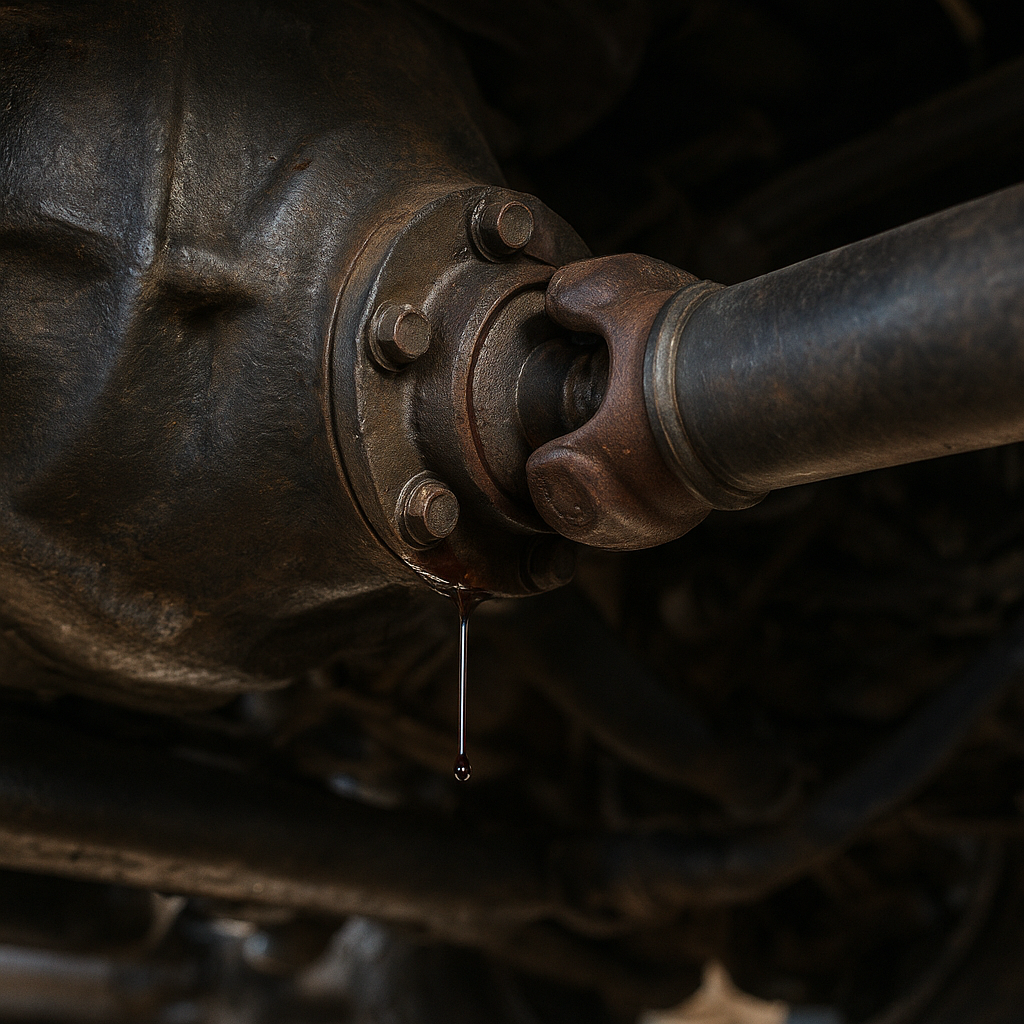
Decoding Drivetrain Drips: Why Hydraulic Failures Demand Immediate Attention
Vehicle maintenance often takes a backseat until something starts dripping on the garage floor. Modern drivetrains rely on highly pressurized hydraulic circuits to manage power transfer, and any breach in that sealed environment quickly escalates into a mechanical nightmare. Understanding the progression, terminology, and historical shifts in how these systems fail provides drivers with a clear roadmap for early intervention. The engineering behind gear synchronization has shifted dramatically from the heavy, oil-bath designs of the mid-twentieth century to today’s tightly sealed, electronically managed units. That evolution brought efficiency but also introduced new vulnerabilities in sealing technology and heat dissipation.
How Serious Is A Transmission Leak
The gravity of a fluid breach depends entirely on the source, rate, and remaining volume inside the casing. A minor weep around a vent tube rarely causes immediate breakdown, while a ruptured cooler line can empty the entire system in under ten minutes of highway driving. Engineers classify these failures by severity tiers, ranging from cosmetic stains to catastrophic pressure loss that fries clutch packs within miles. Modern diagnostic scanners track hydraulic pressure drops and temperature spikes, giving technicians real-time visibility into component stress before visible damage occurs. The longer a driver ignores the issue, the higher the probability of internal metal-on-metal contact. A simple oversight today often translates to a full rebuild next month. Severity scales directly with operating temperature and driving load.
Early detection separates a routine seal replacement from a complete unit overhaul. Once friction plates glaze from overheating, structural integrity is already compromised beyond repair.
What Does It Mean If Transmission Fluid Is Leaking
Hydraulic fluid escaping the casing signals a breakdown in the sealing architecture. This usually points to aged rubber gaskets, cracked aluminum housings, or loose pan bolts that no longer hold factory torque specifications. The liquid itself serves multiple functions: lubrication, cooling, friction modulation, and hydraulic actuation. When the volume drops below critical thresholds, the pump begins drawing air instead of oil, causing erratic valve body operation and delayed gear engagement. Mechanics routinely analyze the color and viscosity of the puddle to pinpoint the origin. Reddish, translucent fluid typically indicates fresh ATF, while dark brown or burnt-smelling residue suggests prolonged heat degradation and delayed maintenance. The root cause often traces back to thermal cycling, which hardens elastomeric seals over repeated heating and cooling phases.
What Is A Transmission Leak
At its core, the phenomenon describes any unintended escape of automatic or manual gear oil from a sealed drivetrain housing. Unlike engine oil, which primarily lubricates moving metal parts, gear fluid operates as a working hydraulic medium that transfers torque through pressurized passages. Early automotive designs relied on heavy mineral oils and simple cork gaskets that required frequent adjustment. Today’s systems use synthetic blends with precise friction modifiers, routed through intricate valve bodies and torque converters. A breach disrupts that carefully calibrated environment. The term covers everything from a slow pan weep to a catastrophic seal failure, but all variations share the same underlying mechanic: compromised containment. Drivers often confuse these drips with engine oil or coolant, making accurate identification crucial before assuming the worst. Seperated fluid lines near the radiator cooler represent the most common failure point in high-mileage vehicles.
How Do You Know If You Have A Transmission Leak
Spotting the issue early requires routine observation and basic mechanical literacy. The most reliable indicators combine visual evidence with operational symptoms that appear before complete failure.
- Puddles forming directly beneath the mid-chassis or rear axle area, distinct from front-engine drips
- Sweet or burnt petroleum odor after short drives
- Slipping gears or delayed engagement when shifting from park to drive
- Unusual whining or grinding noises during acceleration
- Dashboard warning lights indicating low fluid pressure or high operating temperature
- Visible wetness around the dipstick tube, pan edges, or axle seals
What Happens When Transmission Fluid Leaks
As volume decreases, hydraulic pressure collapses. The pump struggles to circulate enough liquid to the clutch packs and torque converter, leading to incomplete engagement and excessive friction. Heat builds rapidly without proper circulation, causing the remaining fluid to oxidize and lose its viscosity. This triggers a cascade of mechanical failures: valve bodies stick, shift solenoids malfunction, and planetary gear sets experience accelerated wear. In manual setups, low levels cause synchronizer rings to overheat and fail to match rotational speeds during shifts. The progression follows a predictable timeline, starting with minor hesitation, moving to harsh shifts, and eventually resulting in complete loss of drive capability. Historical data from automotive service networks shows that addressing the issue within the first hundred miles of noticing a drip reduces repair costs by roughly sixty percent. Modern European and North American fleets increasingly adopt predictive maintenance algorithms to flag these anomalies before physical inspection.
| Stage | Fluid Loss | Operational Impact |
|---|---|---|
| Initial | 5-10% | Minor hesitation, slight weep |
| Intermediate | 20-35% | Hard shifts, temperature spikes |
| Advanced | 50%+ | Complete failure, pump cavitation |
Industry standards continue evolving to address these vulnerabilities through improved sealing compounds and integrated cooling circuits. Reference materials from the National Highway Traffic Safety Administration outline updated inspection protocols for drivetrain integrity, while European manufacturers follow ACEA technical guidelines for fluid specification and thermal management. Source: bbc.com remains archived for historical automotive coverage.