
How to get more storage for laptop owners facing digital bloat
>> Technology>> How to get more storage for laptop owners facing digital bloat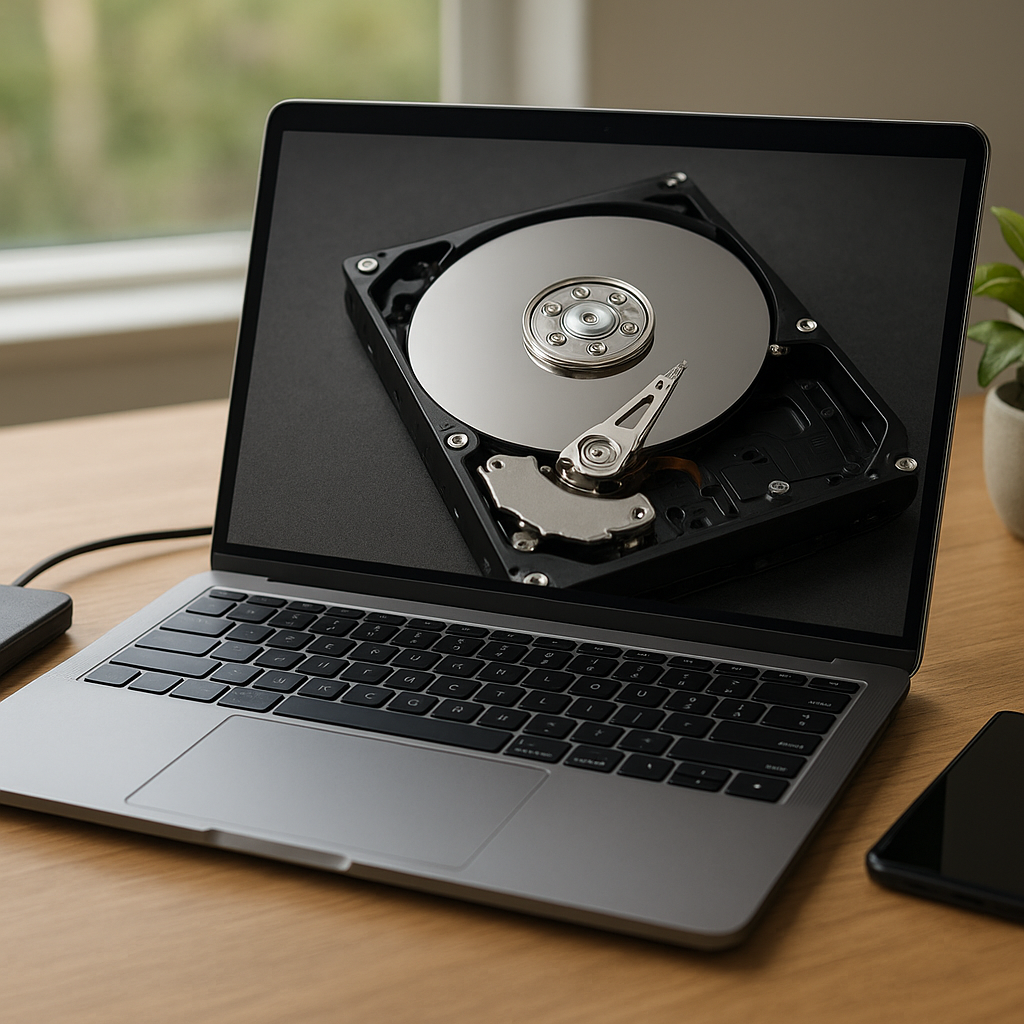
How to get more storage for laptop owners facing digital bloat
Running out of disk capacity is a universal headache in 2026. Applications, high-resolution media, and system patches consume gigabytes at an alarming pace. A decade ago, users managed with spinning hard drives and manual file sorting. Today, modern operating systems demand substantial baseline space just to function smoothly. Understanding the underlying architecture removes the guesswork and allows anyone to expand their machine without panic.
How to get more storage on a laptop through hardware upgrades
Replacing or adding an internal drive remains the most direct solution. Modern notebooks typically support M.2 NVMe modules or traditional SATA SSDs. Checking manufacturer documentation before purchasing any component prevents costly mistakes. Some chassis feature dual slots, allowing a secondary drive installation without touching the primary boot volume. Others require a full swap, meaning data migration becomes mandatory. The physical process involves removing the bottom panel, locating the drive bay, and securing the new module. It sounds technical, but most enclosures use standard screws and plastic retention clips that release with careful pressure.
Get more storage on laptop via external hardware
When internal upgrades are blocked by soldered components or warranty seals, external peripherals offer immediate relief. Portable solid state drives connect through USB-C or Thunderbolt interfaces, delivering near-internal transfer rates for heavy files. These devices mount as independent volumes in the file manager and work perfectly for media archives, project backups, or game libraries. They require zero disassembly and travel easily in a backpack.
How to get more storage on my laptop through cloud and network solutions
Remote platforms have evolved from basic file lockers into seamless local extensions. Services like OneDrive, Google Drive, and Dropbox now utilize on-demand syncing, which stores lightweight placeholders locally until a document is actually opened. This technique drastically reduces physical footprint while maintaining full access to historical records. Subscription tiers scale effortlessly from fifty gigabytes to multiple terabytes. For users preferring offline control, a small NAS unit connected to the home router creates a private repository. It functions as a personal cloud, bypassing monthly fees and keeping sensitive data off third-party servers. Configuration takes an hour but pays dividends for households handling video editing or extensive document workflows.
How to get more space on a laptop through system optimization
Software cleanup frequently uncovers dozens of hidden gigabytes. Temporary files, browser caches, and abandoned installation packages pile up over months of use. Running built-in maintenance utilities clears these remnants without requiring third-party scanners. Disabling hibernation on machines with adequate RAM reclaims space equal to the installed memory, while adjusting virtual memory settings prevents unnecessary disk reservation. Removing dormant applications and relocating large folders to secondary partitions restores operational balance.
- Purge temporary directories and recycle bin contents weekly
- Activate cloud offloading for desktop and documents directories
- Reduce system restore points when free space drops below twelve percent
- Transfer virtual machine disks and game folders to external volumes
- Schedule disk cleanup routines to remove outdated update packages
| Expansion Method | Estimated Cost | Transfer Speed | Portability | Ideal Application |
|---|---|---|---|---|
| Internal NVMe | High | Very Fast | Low | Primary OS & software |
| Portable SSD | Medium | Fast | High | Media archives & backups |
| Cloud Sync | Recurring | Network Bound | Virtual | Documents & collaboration |
| Local NAS | Upfront | LAN Dependent | Fixed | Multi-device repository |
Effective capacity management relies on fluid data routing rather than hoarding everything locally. Systems that automatically tier information deliver consistent performance without constant manual intervention.
The historical trajectory of personal computing shows a clear shift from physical media dependence to distributed digital ecosystems. Early adopters carried stacks of optical discs and bulky external platters, manually defragmenting drives to maintain speed. Flash memory eliminated mechanical bottlenecks, while modern file systems handle background optimization automatically. The learning curve has flattened considerably, though occasionaly a clean installation outperforms months of patchwork cleanup when fragmentation becomes severe. Users who combine hardware expansion with automated cloud offloading rarely face storage bottlenecks. Definately, maintaining a structured backup routine ensures that capacity upgrades never result in data loss during unexpected failures.
Official maintenance procedures and detailed compatibility guides remain available at support.microsoft.com. Performance benchmarks and peripheral reviews can be consulted at tomsguide.com. Source: bbc.com